Visueel denken en dubbel coderen in het onderwijs in softskills voor volwassenen
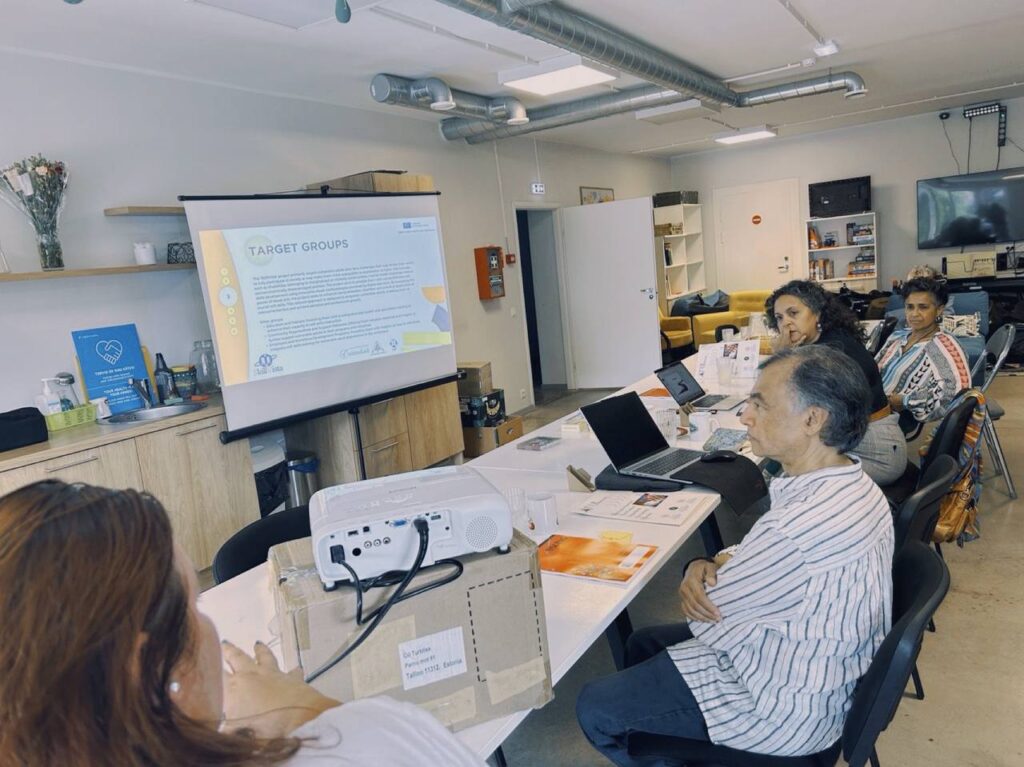

Zachte vaardigheden worden vaak beschreven als essentieel voor inzetbaarheid en sociale inclusie. Toch worden leerkrachten in de volwasseneneducatie, en dan vooral in het werken met kwetsbare leerlingen, vaak geconfronteerd met een terugkerende uitdaging: hoe maak je abstracte competenties zoals emotionele intelligentie, communicatie of besluitvorming concreet, begrijpelijk en toepasbaar?.
Het SkillVista Erasmus+ project benaderde deze uitdaging door de lens van de cognitieve wetenschap - specifiek, Dubbele coderingstheorie en Cognitieve belastingstheorie - om visuele methodes te ontwerpen die begrip en participatie bevorderen.
Theoretische basis: Waarom visueel + verbaal werkt
Allan Paivio's Dubbele coderingstheorie (1986) stelt dat de menselijke cognitie informatie verwerkt via twee verschillende maar onderling verbonden systemen: een verbaal kanaal en een visueel kanaal. Wanneer beide kanalen gelijktijdig worden geactiveerd, wordt informatie beter gecodeerd en is deze gemakkelijker terug te vinden.
Praktisch gezien betekent dit dat wanneer een concept mondeling wordt uitgelegd en visueel wordt ondersteund, leerlingen twee geheugensporen opbouwen in plaats van één.
In het onderwijs in zachte vaardigheden voor volwassenen is dit inzicht bijzonder krachtig. Veel competenties zijn ongrijpbaar en relationeel - bijvoorbeeld:
“Actief luisteren”
“Emotionele regulatie”
“Aanpassingsvermogen”
“Professionele grenzen”
Deze zijn moeilijk te begrijpen door definities alleen. Wanneer ze echter vertaald worden in visuele kaarten, gestructureerde diagrammen en symbolische voorstellingen, worden ze tastbaar en navigeerbaar.
Vermindering van cognitieve belasting in het onderwijs aan kwetsbare volwassenen
John Sweller's Cognitieve belastingstheorie vult dit perspectief aan. Het werkgeheugen is beperkt. Als er te veel verbale informatie in één keer wordt gegeven, vooral abstracte terminologie, kunnen leerlingen afhaken of overbelasting ervaren.
Dit is vooral relevant voor:
- Volwassenen met beperkt formeel onderwijs
- Leerlingen met taalbarrières
- Individuen met leermoeilijkheden
- Volwassenen die angst ervaren in gestructureerde leeromgevingen
- Visuele structurering vermindert onnodige cognitieve belasting door:
- Informatie ruimtelijk organiseren
- Relaties tussen ideeën benadrukken
- Opeenvolgingen in processen verduidelijken
- Gevolgen zichtbaar maken
De SkillVista Visual Methodology Mastery Kit past dit principe bewust toe door complexe soft skills op te splitsen in gestructureerde visuele formats.
Hoe SkillVista Dual Coding toepaste in de praktijk
1. Communicatie als visueel systeem
In plaats van communicatie theoretisch te definiëren, gebruiken leerkrachten een visuele lus:
Spreker → Boodschap → Luisteraar → Interpretatie → Feedback
Leerlingen worden uitgenodigd om misverstanden uit het echte leven in kaart te brengen door emotionele triggers of vervormingen toe te voegen aan de lus. Deze oefening activeert zowel verbale reflectie als visuele analyse.
2. Stroomschema's voor besluitvorming
Abstracte discussies over “betere keuzes” worden vervangen door visuele beslisbomen:
Situatie → Optie A → Gevolg A
Situatie → Optie B → Gevolg B
Hierdoor kunnen leerlingen letterlijk alternatieve paden zien en nadenken over oorzaak-en-gevolgrelaties.
3. Emotionele intelligentie door visuele schaling
Emoties worden geëxternaliseerd door visuele thermometers, symbolische metaforen of kleurgecodeerde intensiteitsschalen. Leerlingen identificeren escalatiepunten en gedragsreacties visueel voordat ze copingstrategieën bespreken.
Deze externalisatie ondersteunt het metacognitieve bewustzijn van leerlingen die hun eigen denk- en emotionele processen beginnen te analyseren.
De Europese agenda voor vaardigheden legt de nadruk op bijscholingstrajecten en een leven lang leren. Zachte vaardigheden worden steeds meer erkend als cruciaal voor duurzame inzetbaarheid en sociale integratie.
Dit project is gefinancierd door het Erasmus+ programma van de Europese Unie.
De steun van de Europese Commissie voor de productie van deze publicatie vormt geen goedkeuring van de inhoud, die uitsluitend de standpunten van de auteurs weergeeft, en de Commissie kan niet verantwoordelijk worden gehouden voor het gebruik van de informatie die erin is vervat.
Meer berichten
Stuur ons een bericht
Ontvang updates en blijf op de hoogte - Schrijf u in voor onze nieuwsbrief

SkillVista
Gefinancierd door de Europese Unie. Opvattingen en meningen zijn echter uitsluitend die van de auteur(s) en komen niet noodzakelijkerwijs overeen met die van de Europese Unie of het Uitvoerend Agentschap voor onderwijs en cultuur (EACEA). Noch de Europese Unie, noch EACEA kan hiervoor verantwoordelijk worden gehouden.
- Facebookpagina
- mail: admin@skillvista.eu