Katsearuanne - Horvaatia
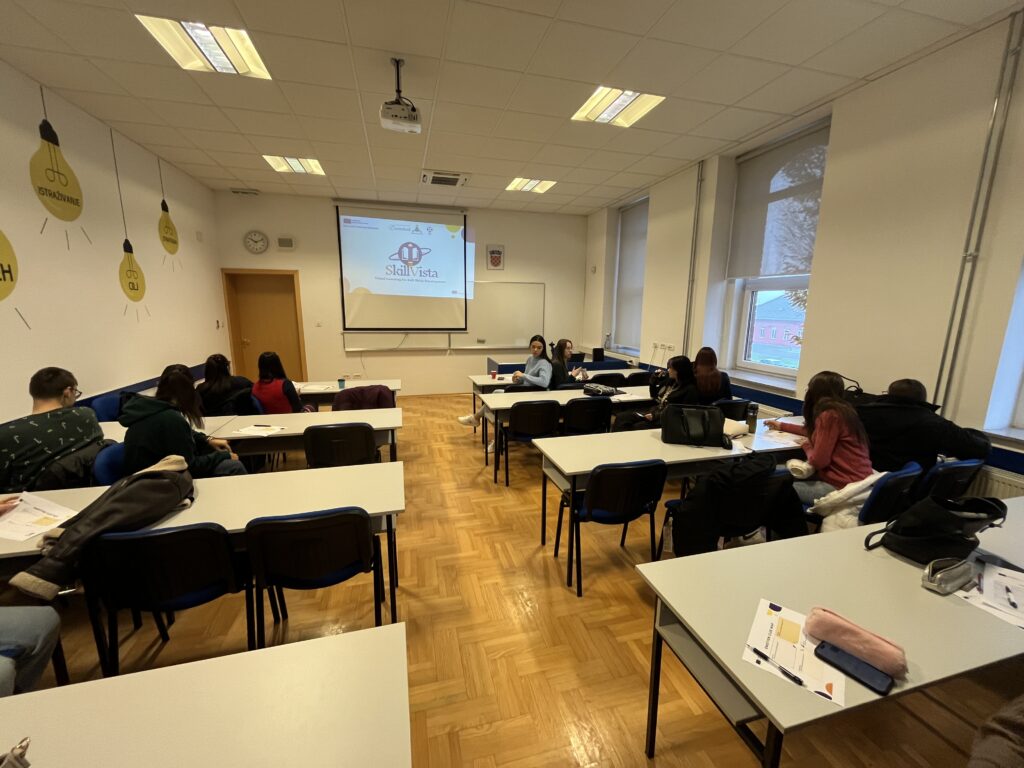

Sügisel 2025 rakendas Horvaatia partner SkillVista katseetappi valitsusväliste organisatsioonide juhitud koolitusprogrammides, tööalastes algatustes ja mitteformaalsetes täiskasvanute koolituskeskustes.
Piloot lülitati sisse:
12 täiskasvanute koolitajat
30 haavatavat täiskasvanud õppijat
Osalejad olid erineva taustaga, sealhulgas pikaajalise töötuse, madala formaalse haridustaseme, sotsiaalse tõrjutuse ja rändekogemusega. Paljud õppijad väljendasid vähest enesekindlust suhtlemisel ja meeskonnatöös, mis oli sageli seotud varasemate negatiivsete koolikogemustega.
Selle asemel, et luua eraldi kursus, keskenduti piloteerimisfaasis pigem sellele, et integreerida põhineb õppijakesksel, visuaalselt toetatud ja kogemuslikul lähenemisel. ja SkillVista platvormi tööriistad otse olemasolevatesse haridusprogrammidesse. Selline lähenemisviis võimaldas haridustöötajatel katsetada vahendeid reaalses õppekeskkonnas.
Õpetajad võtsid visuaalsed meetodid kasutusele järk-järgult, võimaldades õppijatel harjuda mittetraditsiooniliste õppevormidega.
Testiti järgmisi vahendeid:
- Lihtsad diagrammid, mis selgitavad kommunikatsioonitsükleid
- Otsustamisprotsessi struktureerivad mõttekaardid
- Käitumise sorteerimistahvlid (“sobiv vs. ebasobiv”)
- stsenaariumipõhised simulatsioonid, mis kajastavad töökohal ja avalikus ruumis esinevaid olukordi
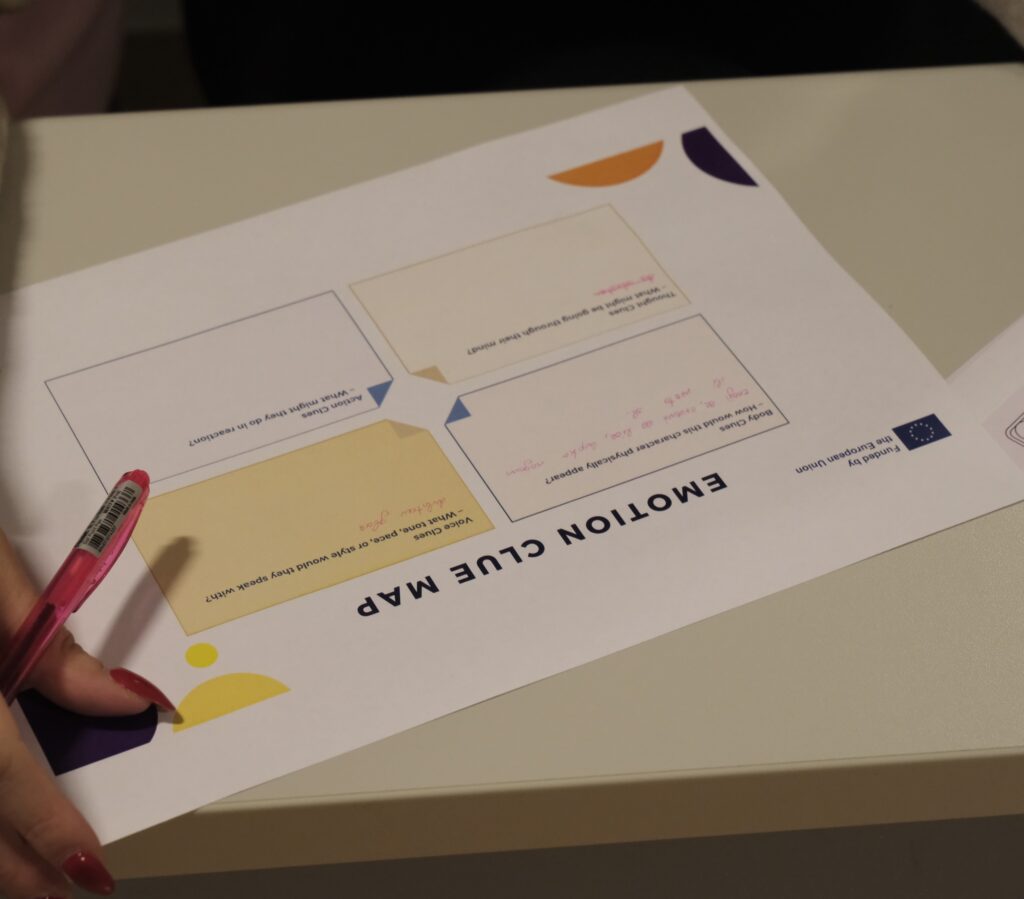
- Emotsionaalsed kaardistused
- Samm-sammult visuaalne probleemide lahendamise voogude loomine
- Visuaale ei kasutatud arutelu asendamiseks, vaid selle toetamiseks. Need toimisid kognitiivsete ankurdajatena, aidates õppijatel struktureerida mõtteid ja mõista abstraktseid mõisteid paremini.
Pilootprojektis seati esikohale sotsiaalse kaasatuse ja tööalase konkurentsivõime seisukohalt kõige olulisemad pädevused:
- Suhtlemisoskus
- Sotsiaalsed normid ja sobiv käitumine
- Meeskonnatöö ja koostöö
- Emotsionaalne intelligentsus ja empaatia
- Probleemide lahendamine ja kohanemisvõime
- Iga seanss järgis selget struktuuri:
- Teema sissejuhatus visuaalse üleskutse abil
- Praktiline väljakutse või stsenaarium
- Juhitud arutelu
- Visuaalne mõtteviis
See etteaimatav struktuur toetas õppijaid, kes kogevad õpikeskkonnas ärevust.
Enne pilootprojekti oli enamikul pedagoogidel piiratud struktureeritud kogemus visuaalsete meetodite kasutamisel.
Pärast rakendamist:
- Usaldusväärsus visuaalsete vahendite kasutamisel suurenes oluliselt
- Pedagoogid teatasid õppijate suuremast kaasatusest
- Visuaalseid meetodeid peeti praktiliseks ja kohandatavaks.
- Õpetajad läksid pehmete oskuste “seletamiselt” üle “nähtavaks tegemisele”.”
Üks pedagoog mõtiskles:
“Visuaalid aitasid mul selgitada mõisteid, mis tavaliselt tunduvad abstraktsed ja keerulised.”
Õppijate enesehinnangud näitasid järjepidevat paranemist kõigis testitud pehmetes oskustes.
Märkimisväärsed kasvuvaldkonnad:
- Suurem usaldus suhtlemisel
- Parem koostöö grupiülesannete täitmisel
- Parem struktureeritud mõtlemine probleemide lahendamisel
- Suurem teadlikkus emotsioonidest ja käitumise tagajärgedest
Paljud õppijad väljendasid, et visuaalsed vahendid vähendavad nende hirmu vigade tegemise ees.
Üks osaleja jagas:
“Kui ma näen seda visuaalselt, saan kiiremini aru. Ma ei tunne stressi.”
Teine lisas:
“Nüüd ma mõtlen enne, kui reageerin.”
Õpetajad teatasid, et:
- Kõrge kaasatuse tase
- Vaiksemate õppijate suurem osalemine
- Sisukamad arutelud
- Suurem emotsionaalne peegeldus
Visuaalsed vahendid osutusid eriti tõhusaks madalama kirjaoskuse tasemega õppijate ja nende puhul, kes varem traditsiooniliste õppevormide kasutamisel raskusi said.
Tuvastatud väljakutsed
Esialgne kõhklus visuaalsete meetodite kasutuselevõtmisel
Piiratud aeg kõikide platvormide stsenaariumide põhjalikuks uurimiseks
Mõningane vajadus selgema navigeerimise järele digitaalsel platvormil.
Neid teadmisi kasutatakse nii tööriistakomplekti kui ka platvormi edasisel arendamisel.
Horvaatia tagasiside põhjal on tulevased parandused järgmised:
Rohkem trükivalmis malle
Täiendavad kultuuriliselt kohandatavad stsenaariumid
Lühikesed täiendkoolitused pedagoogidele
Laiendatud prinditavad materjalid vähese digitaalse juurdepääsuga kontekstide jaoks
Pilootprojekt näitab kindlalt, et visuaalse mõtlemise meetodid on kõige jätkusuutlikumad, kui neid integreeritakse järk-järgult olemasolevatesse täiskasvanute koolituskavadesse, mitte ei pakuta eraldi moodulitena.
Üldine mõju
Horvaatia katseetapp kinnitab, et struktureeritud visuaalsed meetodid:
✔ Suurendada õppijate enesekindlust
✔ Parandada osalemist
✔ Tugevdada sotsiaalseid ja tööalaseid oskusi
✔ Toetada kaasavat õpikeskkonda
✔ Võimaldage haridustöötajatel uuendusi teha
Kõige tähtsam on, et visuaalne õppimine tekitas psühholoogilise turvatunde, mis on haavatavate täiskasvanud õppijate jaoks kriitiline tegur enesekindluse taastamisel.
Seda projekti on rahastatud Euroopa Liidu programmi Erasmus+ raames.
Euroopa Komisjoni toetus käesoleva väljaande koostamisele ei tähenda selle sisu kinnitamist, mis kajastab üksnes autorite seisukohti, ning komisjon ei vastuta selles sisalduva teabe võimaliku kasutamise eest.
Rohkem postitusi
Saada meile sõnum
Saa värskeid uudiseid ja püsi ühenduses – telli meie uudiskiri

SkillVista
Rahastatud Euroopa Liidu poolt. Avaldatud seisukohad ja arvamused on siiski üksnes autori(te) omad ega pruugi kajastada Euroopa Liidu ega Euroopa Hariduse ja Kultuuri Rakendusameti (EACEA) seisukohti. Euroopa Liit ega EACEA ei vastuta nende eest.
- Facebooki leht
- mail: admin@skillvista.eu